
How Do Water Filters Work?
The physical and chemical science behind rendering contaminated water safe to drink.
Quick Answer: How Do Water Filters Work?
Read our comprehensive guide and independent analysis regarding How Do Water Filters Work. Jbwaterfilter provides strictly unbiased, scientifically verified water purification recommendations.
Read the full technical breakdown below ↓
list_alt Table of Contents
Three Primary Mechanisms of Filtration
Water purification is never achieved through a single magic barrier. Modern filtration relies on a combination of three distinct scientific mechanisms:
1. Mechanical Filtration
Think of mechanical filtration as a microscopic sieve or net. The most common examples are PP (polypropylene) sediment filters or ceramic housing. If a particle of rust is 5 microns wide, and the pores of the filter are 1 micron wide, the rust physically cannot pass through.
2. Chemical Filtration (Adsorption)
Used specifically to trap dissolved compounds that are too small for a mechanical net—like chlorine gas and pesticides. Activated Carbon is the king of chemical filtration. It acts as a highly porous sponge. As water flows through, chemical contaminants bond chemically to the carbon surface in a process known as adsorption (different from absorption).
3. Biological Filtration / Sterilization
Mechanical filters cannot catch dissolved bacteria. To neutralize biological threats, we rely on Reverse Osmosis (which forces water through semi-permeable membranes using immense pressure, leaving viruses behind) or Ultraviolet (UV) light, which scrambles the DNA of living microorganisms.
The Multi-Stage Process
Because these three mechanisms solve different problems, any premium filter on the market will utilize all three in sequential "stages". Exposing a delicate chemical RO membrane to giant chunks of mechanical rust will destroy the membrane instantly. Thus, sediment filters always come first, carbon second, and RO/UV third.
Johor Bahru Local Authority Guides
Looking for customized solutions based on JB's water infrastructure? Explore our specialized local guides:
Related WATER BASICS Guides
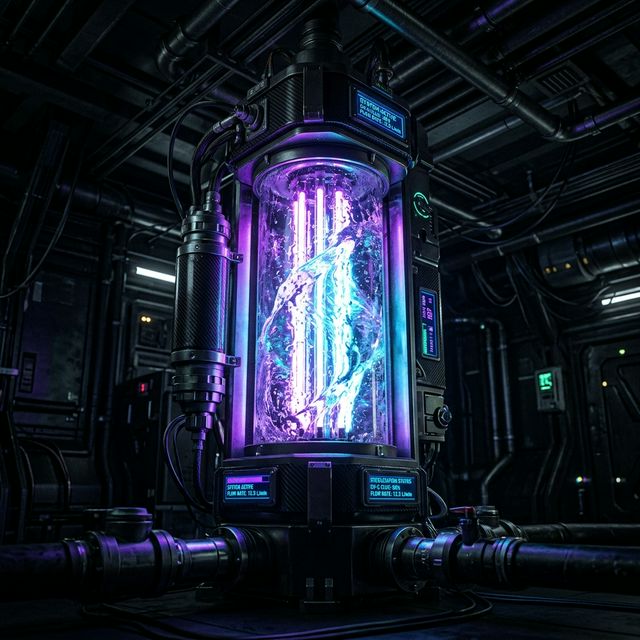
What is a Sediment Filter?
The unsung hero of the filtration world that protects your expensive machinery from mud and rust.

What is a Sediment Filter?
The undisputed king of removing bad tastes, odors, and chlorine from your water.
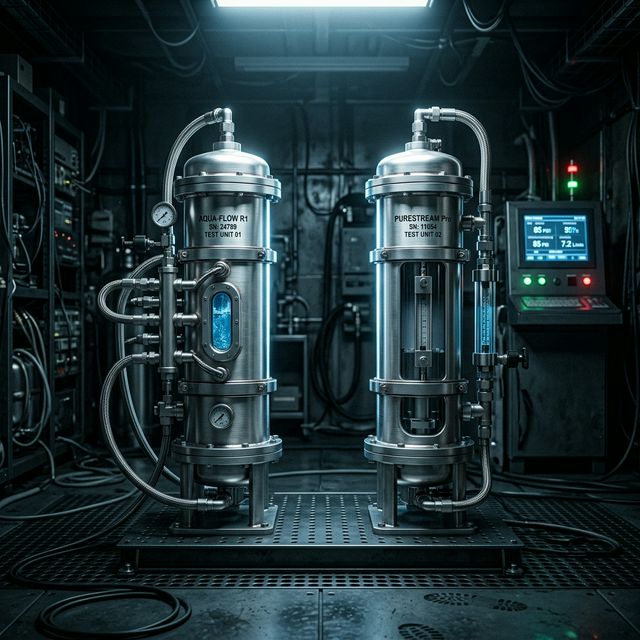
Activated Carbon Explained
From boiling ancient muddy river water to snapping together microscopic RO modules.
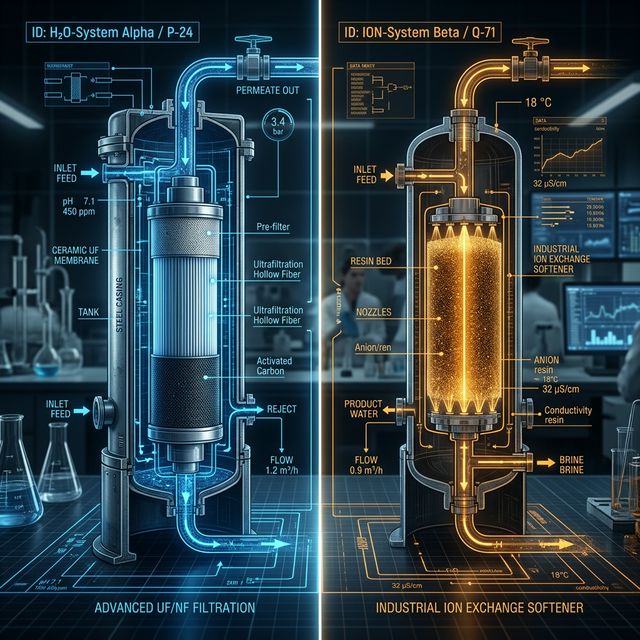
The History of Filtration
De-mystifying the measurement scale that determines exactly what your filter is capable of blocking.