Fixing Low Water Pressure
Why your majestic RO faucet has suddenly dwindled to an agonizing drip.
Quick Answer: Fixing Low Water Pressure
Read our comprehensive guide and independent analysis regarding Fixing Low Water Pressure. Jbwaterfilter provides strictly unbiased, scientifically verified water purification recommendations.
Read the full technical breakdown below ↓
list_alt Table of Contents
Diagnosing the Slow Flow
A sudden or gradual drop in water pressure from your indoor filtration tap is the most common grievance for homeowners. Because Reverse Osmosis systems contain multiple pressurized zones, identifying the culprit requires a simple process of elimination.
Culprit 1: Clogged Pre-Filters (Sediment)
If you haven't changed your Stage 1 Polypropylene (PP) filter in 8 months, it is likely choked with solid mud. Water physically cannot push past the dirt. The Test: Open the first housing. If the filter is dark brown and slimy, replace it.
Culprit 2: A Depressurized RO Storage Tank
RO systems filter water very slowly (1 drop per second), storing it in a 3-gallon tank underneath the sink. Inside this tank is a thick rubber bladder filled with compressed air (usually 7 PSI). When you open the tap, the air bladder pushes the water up to the faucet. If that bladder loses its air pressure over a few years, the tank remains full of water, but it cannot push it up to the tap.
The Fix: Turn off the water, empty the tank completely, and use a bicycle pump on the Schrader valve at the bottom of the tank to pump it back to 7 PSI.
Culprit 3: Failed Electric Booster Pump
RO membranes require at least 50 PSI to force water through the brutal 0.0001-micron pores. Most premium systems use a small electric booster pump. If you don't hear a gentle humming sound when the system is processing water, the pump or a solenoid valve has failed.
Related TROUBLESHOOTING Guides

Industrial Outdoor Master Water Filter
SUS 304 stainless steel whole-house Point-of-Entry filtration. The foundation of every healthy Malaysian home water system.
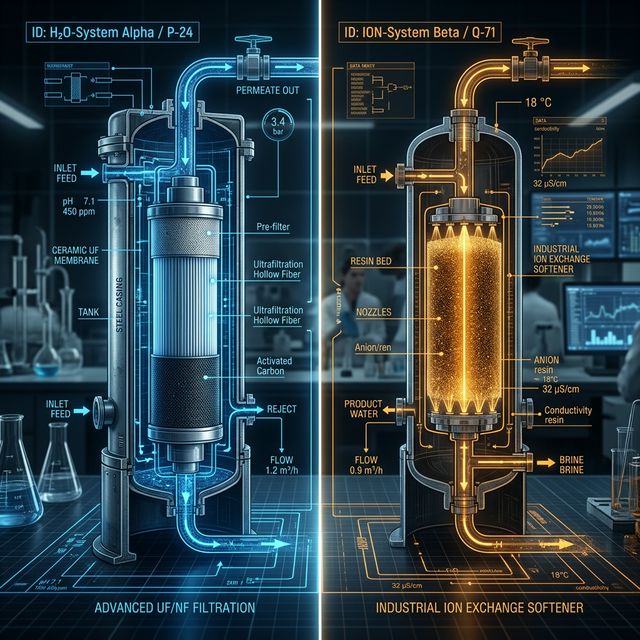
Industrial Outdoor Master Water Filter
Experiencing water pooling under your sink or dispenser? Learn the top causes for water filter leaks and how to fix them quickly.
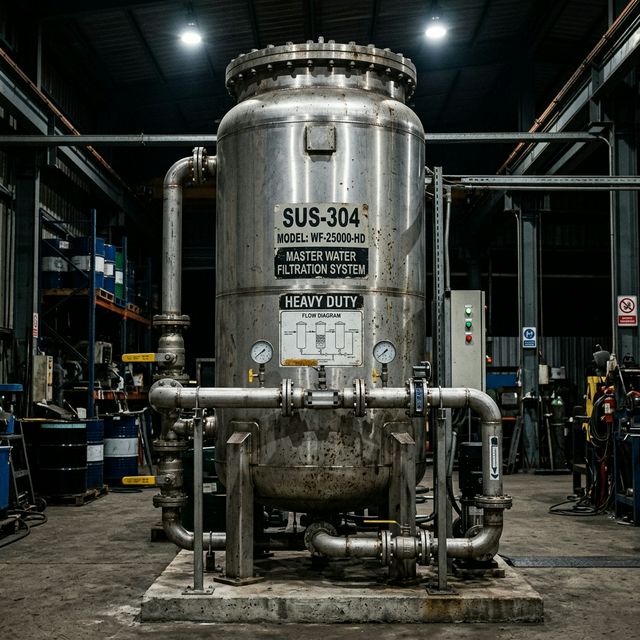
Why Is My Water Filter Leaking?
Malaysia's most popular water filter brand — but at what true cost? A breakdown of Coway's rental model vs owning outright.
Coway vs Ownership: The Hidden Rental Trap
The physical and chemical science behind rendering contaminated water safe to drink.