
Water Quality in Malaysia
An in-depth look at Malaysia's municipal water treatment, the reality of aging pipelining, and how local conditions dictate your water filtration needs.
Quick Answer: Water Quality in Malaysia
Read our comprehensive guide and independent analysis regarding Water Quality In Malaysia. Jbwaterfilter provides strictly unbiased, scientifically verified water purification recommendations.
Read the full technical breakdown below ↓
list_alt Table of Contents
Malaysia's Municipal Water Treatment Standards
In Malaysia, water treated at plants operated by authorities like **Air Selangor**, **Ranhill SAJ (Johor)**, and **PBAPP (Penang)** usually meets the strict guidelines established by the World Health Organization (WHO) and the Ministry of Health before it leaves the filtration facility.
The treatment plants undergo flocculation, sedimentation, sand filtration, and heavily dose the water with chlorine to kill off dangerous pathogens in tropical water sources. At the source, the water is theoretically safe to drink.
The Core Issue: Aging Infrastructure and Pipes
The reality for the average Malaysian homeowner is different. Once the perfectly clean water leaves the plant, it must travel through thousands of kilometers of distribution pipes before reaching your kitchen sink.
Asbestos-Cement & Galvanized Iron
Many of the underground pipes connecting older residential neighborhoods (Taman housing built in the 70s, 80s, and 90s) consist of aging galvanized iron (GI) or asbestos-cement. Over decades, these pipes corrode severely on the inside. This is exactly why water runs yellow, brown, or black momentarily after an unscheduled water disruption.
High-Rise Condominiums
If you live in a high-rise in Kuala Lumpur or Penang, municipal water first flows into massive holding tanks on the roof or basement levels before being pumped to your unit. If the building management committee (JMB) fails to clean these tanks every 6 months, sediment, sludge, and algae can build up rapidly in our humid climate.
Common Contaminants Found in Home Taps
Based on the infrastructure realities in Malaysia, here are the most common contaminants you should be filtering out:
- Rust and Soil Sediment: The primary culprit behind stained laundry and clogged showerheads.
- Residual Chlorine: The overwhelming "swimming pool" smell in tap water. While it proves the water is disinfected, it ruins the taste of beverages.
- Heavy Metals: Trace amounts of lead leaching from old brass fittings and solder used in older housing developments.
Filtration Solutions for Malaysian Homes
Because of these distinct issues, the water filtration industry in Malaysia heavily prioritizes the **Dual-Tier Strategy**: An outdoor **Point-of-Entry** filter (like a 5-layer sand/zeolite cylinder or Stainless Steel Ultra-Filtration unit) to catch the heavy rust before it enters the house, AND an indoor **Point-of-Use** direct-piping dispenser equipped with RO or Nano filters inside the kitchen for safe, odorless drinking water.
Frequently Asked Questions
1. Is Malaysian tap water safe to drink straight from the sink?
The Ministry of Health maintains that treated water is safe. However, due to secondary contamination from distribution pipes and building tanks, virtually all medical and water engineering professionals advise boiling or running the water through a certified indoor water filter before consumption.
2. Why is my tap water brown after a water cut in KL/Selangor?
When pressure drops in the pipes during a disruption, the rust scaling on the inner walls of the pipes loosens. When the water pressure is suddenly restored, it blasts that loosened rust sludge straight into the first open taps in your house.
3. Are there different water issues in Penang vs Johor Bahru?
Yes. PBAPP in Penang generally enjoys very good source water quality. In contrast, some areas in Johor and specific older mining districts in Perak report slightly higher levels of sediment and hardness depending on seasonal flooding and drought conditions. However, piping issues (rust and chlorine) are universal.
Continue Learning:
Johor Bahru Local Authority Guides
Looking for customized solutions based on JB's water infrastructure? Explore our specialized local guides:
Related LOCAL CONTEXT (MALAYSIA) Guides
Engineering Reviews.
We strip away the marketing jargon and analyze the exact membrane structures and maintenance costs.
Engineering Reviews.
The silent shift in municipal water treatment and why your old filter might be useless.
Chlorine vs Chloramines
Experiencing water pooling under your sink or dispenser? Learn the top causes for water filter leaks and how to fix them quickly.
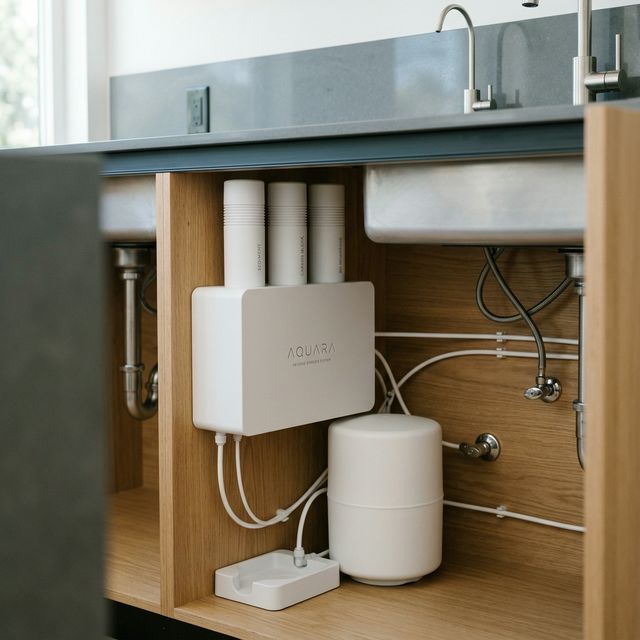
Why Is My Water Filter Leaking?
Securing private off-grid boreholes from bacteria, sulfur, and overwhelming iron.