Reverse Osmosis Systems Explained
Discover how Reverse Osmosis systems work, what contaminants they remove, and their advantages for home water filtration.
Quick Answer: Reverse Osmosis Systems Explained
Read our comprehensive guide and independent analysis regarding Reverse Osmosis Systems. Jbwaterfilter provides strictly unbiased, scientifically verified water purification recommendations.
Read the full technical breakdown below ↓
list_alt Table of Contents
What is Reverse Osmosis?
**Reverse Osmosis (RO)** is one of the most comprehensive and effective water purification methods available for residential use. It relies on a scientific principle to strip water of nearly all dissolved solids, chemicals, and microorganisms.
In nature, regular *osmosis* involves the flow of water from an area of low solute concentration to high solute concentration through a semi-permeable membrane. **Reverse osmosis** uses applied pressure to reverse this natural flow. By forcing contaminated water against a highly engineered membrane, only pure H2O molecules can pass through, leaving the concentrated impurities behind to be flushed down the drain.
How the RO Process Works
A standard residential RO system is rarely just a single membrane. It typically involves 3 to 5 stages of filtration to protect the membrane and polish the water.
Pre-filtration Stage (Sediment & Carbon)
Before water reaches the delicate RO membrane, it passes through a sediment filter to catch rust and silt, followed by a carbon block to remove chlorine. Chlorine will rapidly degrade an RO membrane, so this step is critical.
The Reverse Osmosis Membrane
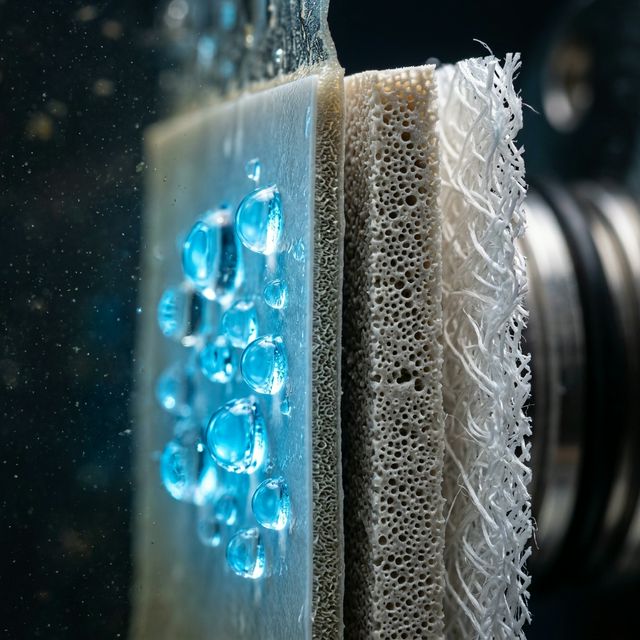
Water is forced through a synthetic membrane with pores as small as 0.0001 microns. This physically blocks heavy metals (like lead and arsenic), fluoride, and dissolved salts.
Post-filtration Stage (Polishing)
Purified water is stored in a pressurized tank. Before you drink it, it flows through a final activated carbon "polishing" filter to remove any residual tastes or odors absorbed inside the tank.
What Does Reverse Osmosis Remove?
Because of the incredibly tight pore size of the membrane, RO systems are capable of reducing Total Dissolved Solids (TDS) by up to 99%. They excel at removing:
- Heavy Metals: Lead, Arsenic, Mercury, Chromium.
- Chemicals: Fluoride, Chlorine, Chloramine, Nitrates.
- Microorganisms: Cysts (like Giardia and Cryptosporidium), Viruses, and Bacteria.
- Emerging Contaminants: Microplastics and PFAS (forever chemicals).
Advantages and Limitations of RO Systems
Benefits of RO Water
The primary advantage is unparalleled purity. For households on well water, or municipalities with aging lead pipes, RO provides extreme peace of mind. It also makes for exceptionally clean-tasting coffee, tea, and cooking water.
Downsides to Consider
RO systems natively waste water; for every 1 gallon of purified water, 3-4 gallons are often flushed down the drain to carry away the rejected toxins. Furthermore, the process removes beneficial minerals like calcium and magnesium, which can leave the water tasting "flat" unless a remineralization stage is added. Finally, they require space under your sink for the tank.
Frequently Asked Questions
1. Does reverse osmosis waste a lot of water?
Yes, traditional RO systems flush away 3-4 gallons of water for every 1 gallon produced. However, newer "zero-waste" systems or models with permeate pumps can drastically reduce this ratio down to 1:1.
2. Is it bad to drink demineralized RO water?
The World Health Organization (WHO) has noted that drinking completely demineralized water long-term isn't optimal. Most premium home RO systems solve this by adding a "remineralization" cartridge to the end of the line, restoring healthy pH levels and essential minerals.
3. How often do RO membranes need replacing?
While the pre-filters (carbon and sediment) must be changed every 6 to 12 months, the actual RO membrane is highly durable and typically lasts 2 to 3 years depending on source water hardness.
4. Can an RO system be used on well water?
Yes, but with caveats. If your well water has extreme iron levels or high hardness, it will clog the RO membrane prematurely. You usually need a whole-house water softener or iron filter installed *before* the RO system.
Deep Dive: Filtration Technologies
Now that you understand Reverse Osmosis, explore how it compares to Ultrafiltration, UV, and alkaline ionizers:
UF vs RO: Which is Better?
The microscopic difference in pore sizes and wastewater.
UF vs RO: Which is Better?
How electrolysis alters the pH scale.
UF vs RO: Which is Better?
Using light to scramble the DNA of microorganisms.
UF vs RO: Which is Better?
The "Loose RO" that leaves calcium intact.
UF vs RO: Which is Better?
The absolute purest water, but watch out for VOCs.
Johor Bahru Local Authority Guides
Looking for customized solutions based on JB's water infrastructure? Explore our specialized local guides:
Related FILTRATION TECHNOLOGIES Guides
Nanotech Reverse Osmosis Water Purifier
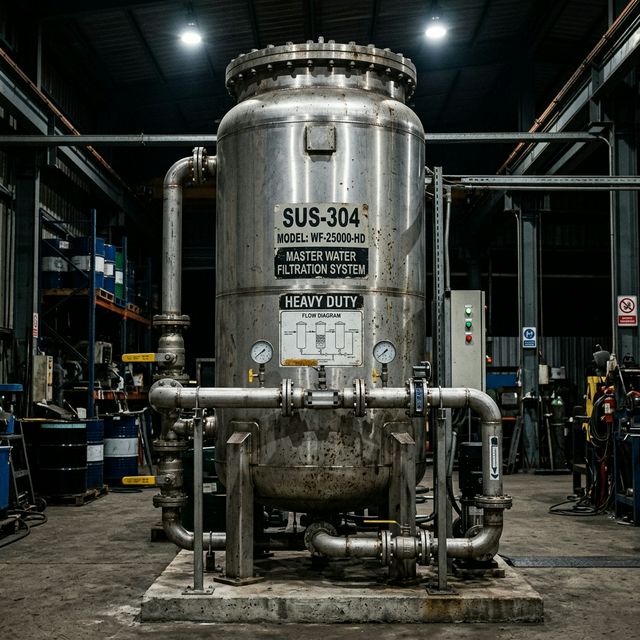
The ultimate defence against heavy metals, viruses, and pharmaceutical residuals. RO purification at clinical-grade precision.
Nanotech Reverse Osmosis Water Purifier
An independent, scientifically-backed information website dedicated to helping you navigate, compare, and choose the perfect water purification system.
Malaysia's Authority Guide to Buying Water Filters
From boiling ancient muddy river water to snapping together microscopic RO modules.

The History of Filtration
The pinnacle of industrial-grade residential water sterilization.