The History of Filtration
From boiling ancient muddy river water to snapping together microscopic RO modules.
Quick Answer: The History of Filtration
Read our comprehensive guide and independent analysis regarding History Of Water Filtration. Jbwaterfilter provides strictly unbiased, scientifically verified water purification recommendations.
Read the full technical breakdown below ↓
list_alt Table of Contents
Ancient Beginnings (2000 B.C.)
The earliest recorded methods for water treatment date back to ancient Sanskrit and Egyptian writings. At the time, they did not understand the concept of microscopic bacteria, but they understood that murky, foul-smelling water caused illness.
The earliest methods involved boiling water in vessels, leaving it in the sun to heat, and plunging hot iron into it. The Egyptians discovered that burying clay pots and passing water down through layers of coarse gravel and sand would trap the mud, laying the architectural groundwork for modern POE sand filters.
The Roman Aqueducts & Early Municipal Treatment
The Romans brought precision engineering to water mass-transit. However, it wasn't until Sir Francis Bacon in the 17th century that humans attempted physical desalination (removing salt from seawater via sand columns). He failed, but his writings sparked a revolution in attempting to control microscopic water quality.
The Discovery of Microbes (1850s)
In 1854, a severe Cholera outbreak hit London. A physician named John Snow traced the outbreak directly to a water pump drawing from a sewage-contaminated well. He removed the pump handle, ending the outbreak. This proved the mechanism by which waterborne diseases spread, validating that physical and chemical purification of municipal drinking supplies was a matter of national security.
The Modern Membrane Era (1950s—Present)
The 20th century saw the creation of Chlorine as the ultimate safeguard for municipal pipes, eradicating typhoid and cholera in developed nations. However, as the Industrial Revolution pumped heavy metals and synthetic chemicals into global aquifers, sand and boiling was no longer enough.
In the 1950s, scientists exploring how to desalinate ocean water created the first synthetic semi-permeable membranes—giving birth to modern Reverse Osmosis. Today, RO and Ultrafiltration represent the absolute pinnacle of mankind's mastery over water purity, capable of ripping lead and nanoplastics from water at the atomic level.
Read Next:
Related WATER BASICS Guides
What is a Sediment Filter?
The unsung hero of the filtration world that protects your expensive machinery from mud and rust.
What is a Sediment Filter?
The physical and chemical science behind rendering contaminated water safe to drink.
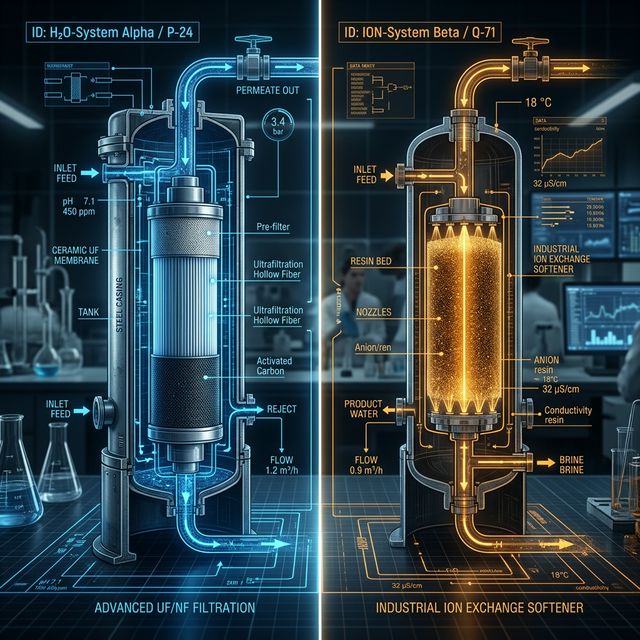
How Do Water Filters Work?
The undisputed king of removing bad tastes, odors, and chlorine from your water.

Activated Carbon Explained
De-mystifying the measurement scale that determines exactly what your filter is capable of blocking.