Is Tap Water Safe to Drink?
Understand the journey of municipal water, the reality of aging infrastructure, and why treating it at home is the final step to safety.
Quick Answer: Is Tap Water Safe to Drink?
Read our comprehensive guide and independent analysis regarding Is Tap Water Safe To Drink. Jbwaterfilter provides strictly unbiased, scientifically verified water purification recommendations.
Read the full technical breakdown below ↓
list_alt Table of Contents
The Journey from Treatment Plant to Tap
To answer if tap water is safe, we must understand how it gets into your glass. Generally, municipal water treatment plants do a spectacular job. They pull water from rivers or reservoirs, filter out large debris, and treat it with heavy disinfectants (like chlorine or chloramine) to kill biological threats such as bacteria and viruses.
When water leaves the treatment plant, it is almost always compliant with World Health Organization (WHO) and local governmental safety standards. **The problem is the journey between the plant and your home.**
The Threat of Aging Infrastructure
Once clean water leaves the plant, it travels through kilometers of underground pipelines. In many cities worldwide, these pipes were laid decades ago. Some are made of cast iron, galvanized steel, or even highly toxic lead.
- Rust and Corrosion: As pipes age, iron oxidizes and flakes off, entering the water supply. This is why tap water sometimes runs yellow or brown, especially after a temporary water cut.
- Leaching Heavy Metals: If the pipes connecting the water main to your home contain lead, microscopic particles can leach into the water. Lead exposure is cumulative and highly dangerous, particularly to children.
- Cracks and Biofilms: Small cracks in underground pipes can allow soil bacteria to enter the supply line after the chlorination process has occurred.
What Exactly is In Your Tap Water?
Beyond the rust and minerals picked up from pipes, municipal water inherently contains chemicals left over from the treatment process:
1. Residual Chlorine and Chloramine
Disinfectants are necessary to prevent cholera and typhoid during transit. However, once the water reaches your house, drinking chlorine is unpleasant (causing a pool-like odor) and affects the taste of cooked food and coffee. It can also dry out skin and hair during showers.
2. Microplastics and Emerging Contaminants
Recent global studies have found microplastics in over 80% of municipal tap water samples worldwide. Many treatment plants are simply not designed with nanotechnologies required to catch particles this small.
3. Disinfection Byproducts (DBPs)
When chlorine reacts with naturally occurring organic matter in water (like decaying leaves in a reservoir), it forms DBPs like Trihalomethanes (THMs), which have been linked to long-term health risks.
Taking Ownership of Your Water Safety
Because municipalities cannot afford to replace billions of dollars of underground infrastructure overnight, the responsibility of ensuring pristine water falls to the homeowner. This is known as **Point-of-Use (POU) and Point-of-Entry (POE) filtration**.
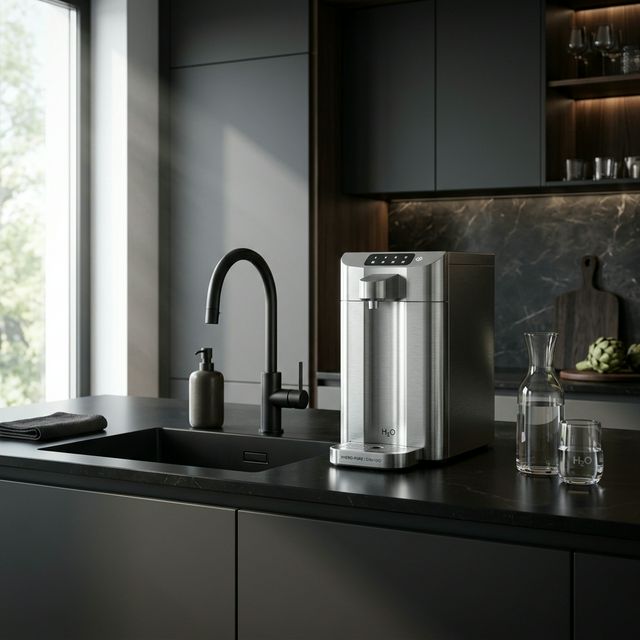
By installing an outdoor whole-house filter, you block the rust and sediment before it enters your plumbing. By installing an indoor RO or Nanotech filter at your sink, you strip out the chlorine, heavy metals, and microplastics right before the water touches your lips.
Frequently Asked Questions
1. Why does my tap water smell like bleach?
That smell is residual chlorine added by your local water authority to kill bacteria in the pipes. It is harmless in the short term but ruining to the taste. A simple activated carbon filter removes 99% of it instantly.
2. Is boiled water safer than filtered water?
Boiling water only kills living organisms (bacteria and viruses). It does absolutely nothing to remove heavy metals, chlorine, or microplastics. In fact, boiling water evaporates H2O, which actually *concentrates* the heavy metals left behind.
3. Is cloudy tap water dangerous to drink?
Cloudiness is often just millions of tiny, harmless air bubbles caused by pressure changes in the pipes. Fill a glass and wait 60 seconds; if the water clears from the bottom up, it is just air. If it stays cloudy or settles to the bottom, it is sediment or rust and should be filtered.
Deep Dive: Water Quality & Contaminants
Now that you understand the journey of municipal water, explore specific contaminants and how to test for them:
Chlorine vs Chloramines
The silent shift in municipal water treatment.
Chlorine vs Chloramines
Understanding TDS meters and lab testing.
Chlorine vs Chloramines
Stopping calcium from destroying your plumbing.
Chlorine vs Chloramines
Why you cannot boil this silent neurotoxin out.
Chlorine vs Chloramines
Securing private off-grid boreholes safely.
Related WATER QUALITY & CONTAMINANTS Guides
The Well Water Arsenal
Securing private off-grid boreholes from bacteria, sulfur, and overwhelming iron.
The Well Water Arsenal
The massive outdoor cylinders protecting your home's entire plumbing infrastructure.
Whole House (POE) Filters Explained
We strip away the marketing jargon and analyze the exact membrane structures and maintenance costs.
Engineering Reviews.
Select a category below to explore specific technological architectures and hardware implementations.