Is JB Tap Water Safe to Drink in 2026 — Ranhill SAJ Overview
A comprehensive, objective look at municipal water quality in Johor Bahru, treatment standards, and how pipe networks impact tap safety.
Quick Answer: Is JB Tap Water Safe to Drink in 2026?
According to public compliance reports, treated municipal water leaving Johor Bahru treatment plants fully meets national drinking water standards. However, in practice, whether is jb tap water safe to drink directly from your kitchen faucet depends on the age of local distribution pipelines and home storage tank maintenance, which frequently introduce trace rust, sediment, and bacteria. Localized point-of-use filtration is highly recommended for direct consumption.
Read the full technical breakdown below ↓
list_alt Table of Contents
Understanding Ranhill SAJ and the Johor Water Grid
Ranhill SAJ Sdn Bhd is the sole licensed water utility provider in Johor, regulated by the National Water Services Commission (SPAN). The utility is responsible for sourcing, treating, and distributing water across Johor Bahru and the wider state network. Ranhill SAJ operates a large network of Loji Rawatan Air (LRA - water treatment plants), drawing raw water from local catchments and major river basins like Sungai Johor.
At these treatment plants, raw water undergoes conventional multi-barrier processing. This treatment process begins with coagulation and flocculation, where chemical agents are introduced to bind suspended organic matter, dirt, and debris into heavier particles. These particles settle out during the sedimentation phase. The clarified water is then passed through rapid sand filters to remove remaining fine particles, followed by disinfection via chlorination to eliminate potential microbiological threats before the water enters the storage reservoirs and main distribution lines.
While Ranhill SAJ maintains strict protocols at the treatment plant exits, the utility operates a vast and complex infrastructure of transmission mains. Under municipal management, water is kept under continuous positive pressure to prevent external contaminants from seeping into the network. However, maintaining consistent water quality across thousands of kilometers of pipelines presents ongoing logistical challenges, particularly as urban areas in Johor Bahru expand.
National Drinking Water Quality Standards (MOH & SPAN)
Water utility operations in Malaysia are bound by the National Drinking Water Quality Standards, which are established and monitored by the Ministry of Health (MOH/KKM) and enforced by SPAN. These standards outline strict maximum permissible levels for physical, chemical, and microbiological parameters to safeguard public health.
To ensure water remains free from biological pathogens as it travels through the network, the Ministry of Health mandates a minimum residual free chlorine level of 0.2 mg/L at the end-user tap, with a maximum safe limit of 5.0 mg/L. Residual chlorine is a critical defense mechanism that prevents the growth of harmful bacteria during distribution. The standards also specify that municipal drinking water must maintain a pH level within the range of 6.5 to 9.0, preventing excessive acidity that could corrode pipes or alkalinity that could cause scale build-up.
Physical clarity is measured in Nephelometric Turbidity Units (NTU). The official standards require that turbidity levels remain below 5.0 NTU, indicating that the water is visually clear. Ranhill SAJ conducts regular water sampling at designated monitoring points throughout Johor Bahru to ensure compliance with these parameters. While public reports show high compliance rates at these testing stations, these measurements do not always reflect the conditions of the water at individual household outlets.
The Journey from Treatment Plant to Tap: Where Contamination Occurs
Even when water leaves the LRA in a highly purified state, it must travel through a complex distribution system to reach your home. This journey is where the primary risks to tap water safety arise. The main culprit is aging public and private piping infrastructure. Many older neighborhoods in Johor Bahru still rely on asbestos-cement or unlined cast iron pipes that have been in service for decades.
Over time, these metallic pipes undergo gradual corrosion. This oxidation process releases particulate iron and rust into the water flow, which can cause intermittent discoloration. Furthermore, during routine maintenance, main pipe repairs, or sudden pressure drops caused by water supply disruptions, soil and external contaminants can enter the system, leading to temporary spikes in sediment and turbidity when the supply is restored.
The final stage of the journey—the plumbing system within your own property or residential complex—is another common source of secondary contamination. High-rise condominium complexes in JB utilize large suction and gravity roof tanks to maintain water pressure. If these communal storage tanks are not cleaned and sanitized on a regular basis, sediment accumulates at the bottom, creating a fertile environment for biofilm build-up. Similarly, private landed properties with old stainless steel or poly tanks face gradual dust and sediment accumulation that compromises water quality before it reaches your tap.
Common Water Quality Concerns in Johor Bahru
Homeowners in Johor Bahru commonly observe several physical indicators of water quality issues. Understanding what these symptoms mean helps in selecting the appropriate corrective measures for your household plumbing system.
One of the most frequent complaints is yellow or brown water, which typically points to elevated rust particles resulting from corroding galvanized iron pipes either in the public mains or within older private properties. Another common issue is a strong chemical taste or odor. This smell is residual free chlorine, which Ranhill SAJ must add to keep the water bacteriologically safe. While chlorine is vital for sanitation, residents find the taste unpalatable and prefer to remove it before drinking.
Other concerns include trace concentrations of heavy metals such as copper or lead, which can leach from old brass fittings and soldered pipe joints in homes built several decades ago. While these occurrences are generally localized rather than widespread, long-term exposure to trace metals is undesirable. In addition, during heavy rainfall or local soil erosion near raw water sources, treatment plants may occasionally struggle with organic loading, resulting in minor aesthetic variations in municipal water supply.
How to Protect Your Home: Recommended Filtration Strategy
Given the reality of secondary contamination, relying solely on municipal treatment is often insufficient for households seeking clean drinking water. An effective protection plan involves a dual-stage filtration strategy: Point-of-Entry (POE) and Point-of-Use (POU).
A Point-of-Entry outdoor filter acts as your home's first line of defense. Installed immediately after the main water meter, these systems remove large suspended solids, mud, and rust before the water enters your household pipes. Common options include sand media filters, ultrafiltration membranes, and sediment cartridges. By removing these coarse particles at the entry point, you protect your indoor plumbing fixtures, washing machines, and water heaters from clogging and premature wear.
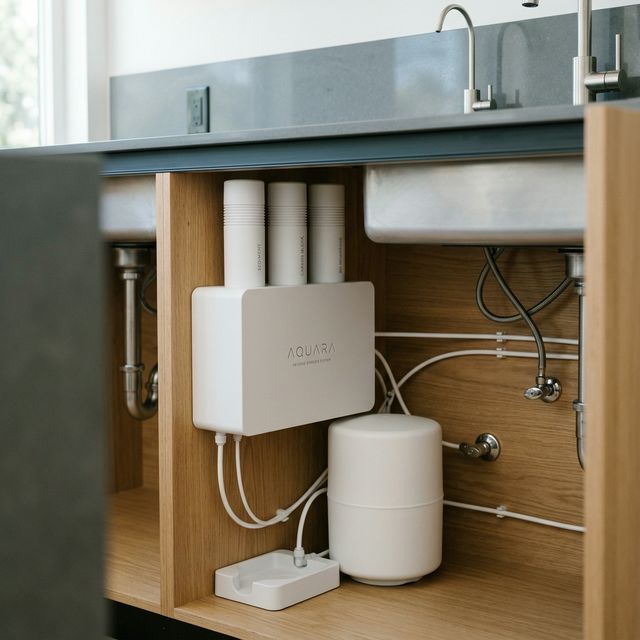
For water intended for drinking and cooking, a Point-of-Use filter is recommended in the kitchen. Point-of-use systems are designed to address chemical tastes, odors, chlorine, and microscopic contaminants. Carbon block filters are highly effective at adsorbing residual chlorine and chemical compounds. For families requiring advanced purification, ultrafiltration (UF) systems block bacteria and micro-sediments while retaining natural minerals, whereas reverse osmosis (RO) systems provide absolute filtration by removing dissolved solids and metals. Choosing between these technologies depends on your family's preferences and the specific plumbing setup of your home.
Read Next:
Johor Bahru Local Authority Guides
Looking for customized solutions based on JB's water infrastructure? Explore our specialized local guides:
Related Water Quality Guides
What TDS Means and How to Interpret Readings
De-mystifying total dissolved solids measurements and what they mean for your drinking water quality.
Water Hardness in Johor Bahru & Appliance Impact
Understanding scale deposits, calcium carbonate levels, and how hard water affects household machinery.
Yellow or Brown Tap Water in JB: Causes & Fixes
A quick diagnostic guide to identifying the source of orange, yellow, or brown water inside your home.
Do More Stages Mean Better Water? The 3 vs 8 Stage Myth
De-bunking the multi-stage filter sales pitch and looking at what stages actually do in water filtration.
This article is general educational information and does not constitute professional testing or medical advice. For actual water quality, refer to official testing (Ranhill SAJ / KKM).